Congregate Meals, Home-Delivered Meals, Nutrition Counseling and Farm Market Fresh provide nutritious food or meals and information to older adults.
Congregate meals are served in group places like senior centers or community centers. Home-delivered meals are delivered to people who can’t leave their homes.
In addition to healthy meals, these programs may offer other services such as nutrition counseling, wellness programming, and connections to other Area Agency on Aging services.
Why These Programs Matter
The programs aim to:
- Reduce hunger
- Combat loneliness
- Support health and well-being
- Delay serious health problems
Congregate Nutrition Program
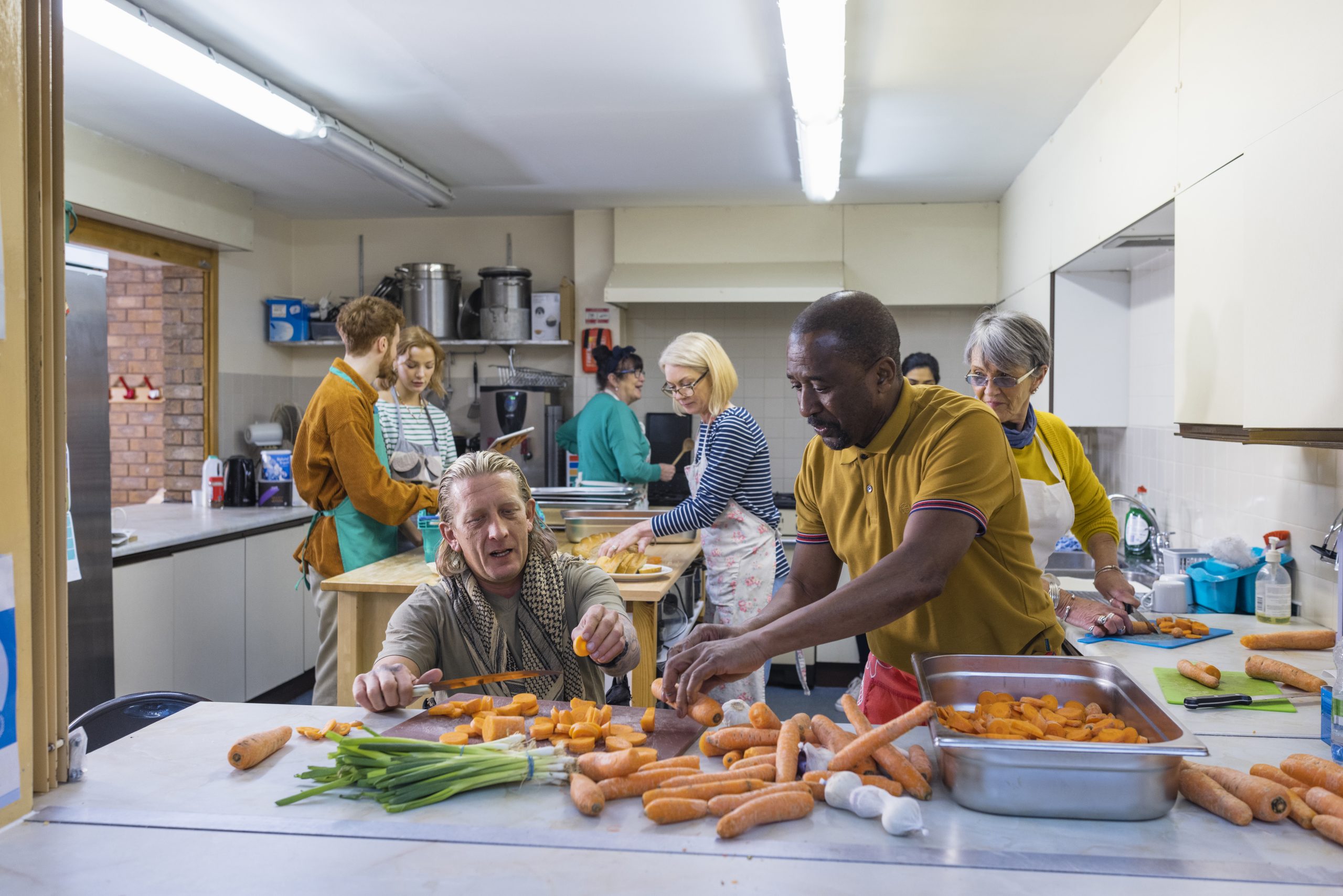
This program serves meals in group places like senior centers or community centers. It gives older adults a chance to enjoy a healthy meal with others, learn about staying healthy, and take part in activities or volunteer work.
Sharing meals helps people feel connected and can improve both mental and physical health.
Home-Delivered Nutrition Program
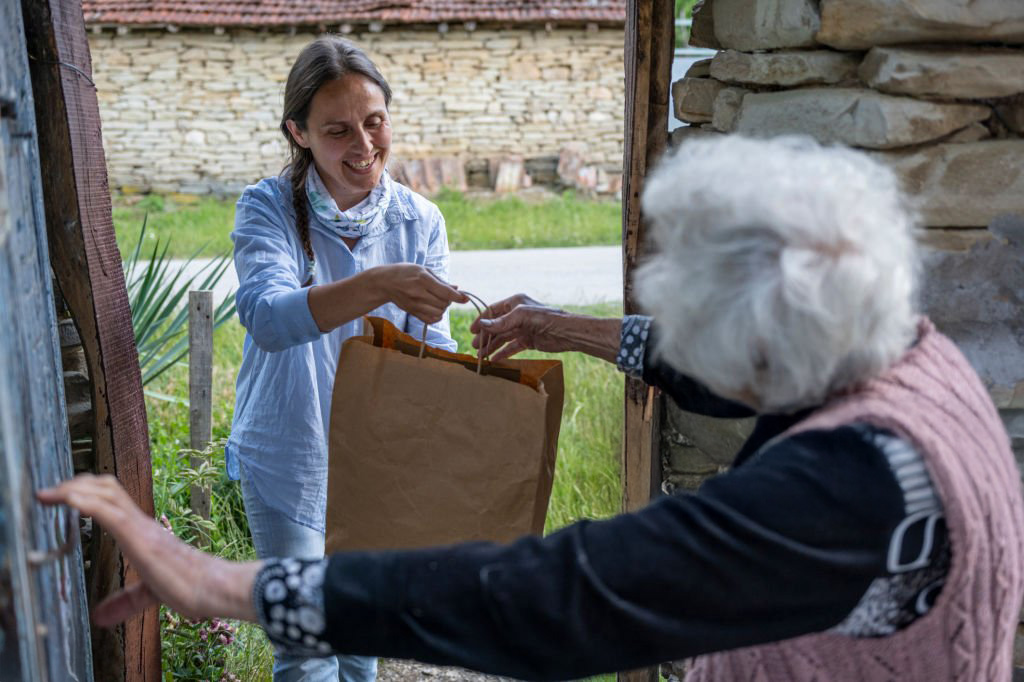
This program delivers meals to older adults who can’t easily leave home (homebound), cook for themselves, or easily attend a congregate meal site.
Along with their meal delivery, the visit provides a safety check and friendly contact—sometimes the only one a person has all day.
Nutrition Counseling
Area Agencies on Aging (AAAs) offer nutrition counseling as part of federally funded programs under the Older Americans Act (OAA). These services are designed to support older adults in achieving better health outcomes through personalized dietary guidance. Provided by Registered Dietitian Nutritionists (RDNs), nutrition counseling helps individuals at nutritional risk—due to chronic illness, medication use, or poor dietary intake—develop tailored action plans to improve their nutritional status.
Counseling is typically offered one-on-one and may be delivered in-person, via telehealth, or at congregate meal sites. It complements other nutrition services such as home-delivered and congregate meals, which are required to meet at least one-third of the Dietary Reference Intakes (DRIs) and follow the Dietary Guidelines for Americans (DGAs).
This service aims to:
- Prevent or manage chronic diseases like diabetes and heart disease
- Reduce malnutrition and food insecurity
- Promote independence and healthy aging
Farm Market Fresh
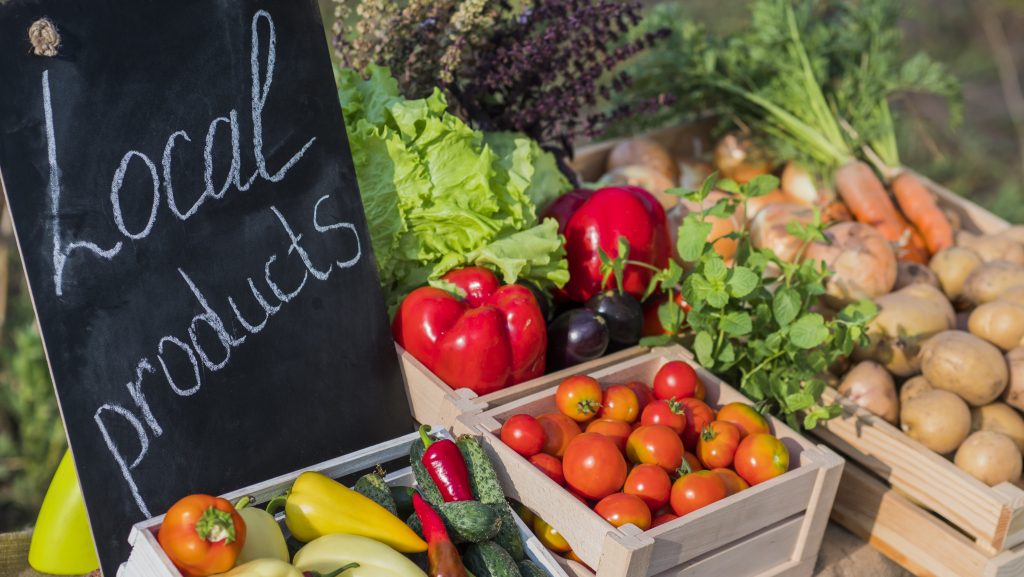
Eligible seniors and WIC recipients may receive vouchers for free fruits, vegetables and herbs from certain local farmer’s markets.
Support your local farmers and get free healthy food? Yes, please!
Questions?
Learn more about the Division for Aging Services.